Are you planning a corporate event that needs a spark of inspiration, a touch of expertise, or a memorable call to action?
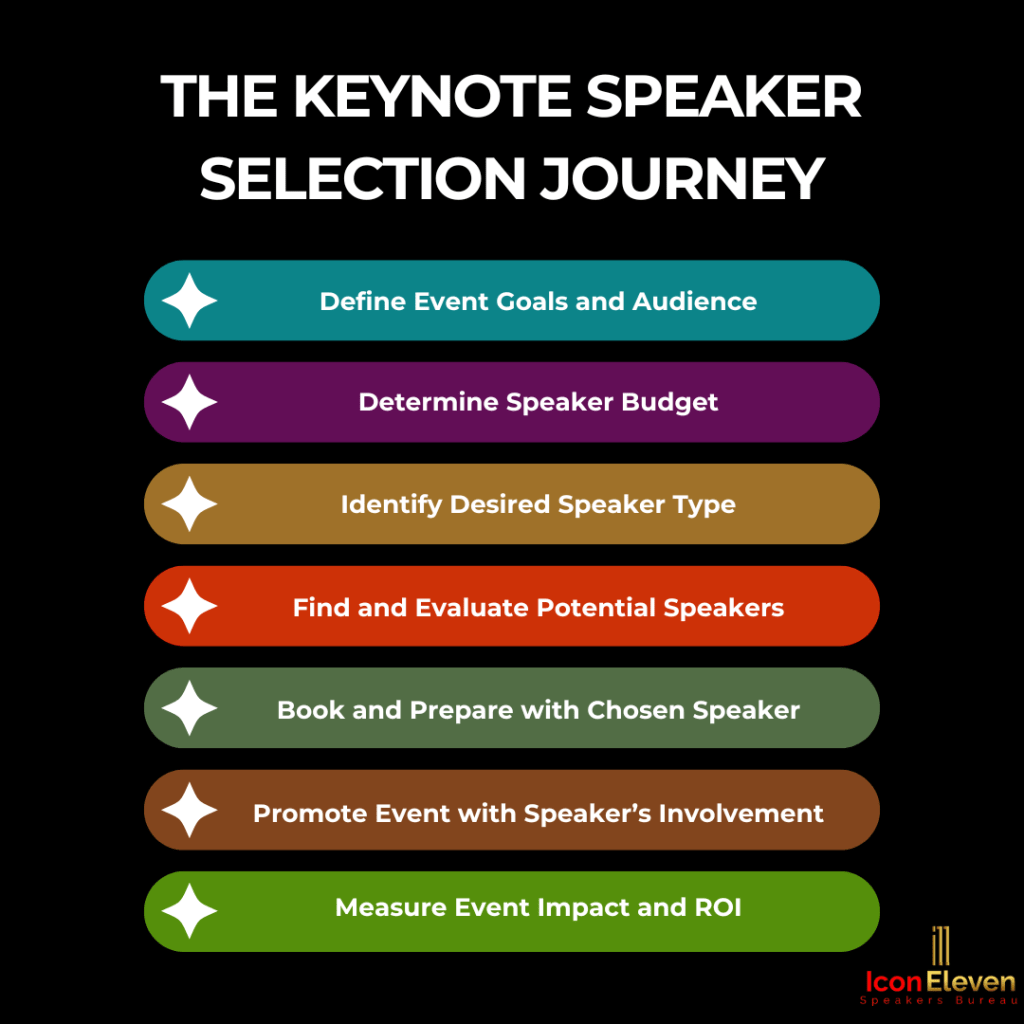
The right keynote speaker could be the pivotal element that sets your event apart, engaging your audience and driving your message home. But finding and selecting the right speaker for Corporate Events can feel overwhelming, especially with so many options. That’s where a structured approach to choosing keynote speakers for corporate events comes in.
As the founder of IconEleven, a modern speaker bureau focused on showcasing diverse voices, I’ve helped organizations navigate this challenge. With years of experience in the speaking industry, I’m here to share a comprehensive guide on selecting keynote speakers that will take your corporate event to the next level.
A powerful keynote speaker can set the tone for your entire event, inspire and motivate your audience, and leave a lasting impact that goes far beyond the stage, In fact, according to a study by Cvent, 66% of event attendees cite speaker quality as a top factor influencing their decision to attend an event. In this article, you’ll discover:
– The benefits of choosing the right Speakers for Corporate Events
– A step-by-step process for defining your event goals and audience
– The different types of keynote speakers and how to match them to your event
– Strategies for finding, evaluating, and preparing your ideal speaker
– Tips for promoting your event and measuring the impact of your keynote
Whether you’re planning a leadership conference, a sales kick-off, or a team-building retreat, this guide will provide you with the insights and tools you need to make an informed decision and create an unforgettable event experience.
Step 1: Define Your Event Goals and Audience
The first step in selecting a keynote speaker is to clarify the main objectives of your event. What outcomes are you aiming for, and what impact do you want to have on your attendees?
Start by identifying your event’s specific goals. Are you looking to:
– Drive innovation and explore emerging trends?
– Promote leadership development and strategic decision-making?
– Foster a culture of diversity, equity, and inclusion?
– Boost team morale and motivation?
A clear understanding of your event’s purpose will guide your search for a speaker who can deliver on those objectives. For example, if your goal is to inspire leadership development, you might look for a speaker with a background in executive coaching or a proven track record of leading successful teams.
Next, consider your audience’s interests and preferences. Will they connect better with inspirational stories, industry-specific insights, or future-focused content? For example, a group of senior executives may prefer a thought leader who can speak to strategic challenges, while a sales team may resonate more with a motivational speaker who can energize and inspire them to reach new heights.
Take the time to create an audience persona that outlines key demographic information, professional roles, and learning preferences. This persona will help you evaluate potential speakers through the lens of your audience and ensure you choose someone who will resonate with their needs and interests.
By taking the time to define your objectives and understand your audience, you’ll be able to narrow down the type of speaker who can best deliver on your event’s goals.
Step 2: Understand the Different Types of Keynote Speakers
Keynote speakers come in many different styles and areas of expertise. Here are some of the most common types you’ll encounter:
Motivational Speakers: These speakers are masters at uplifting and energizing audiences. They often share personal stories of overcoming adversity and achieving success, leaving attendees feeling inspired and empowered. Motivational speakers are ideal for events focused on personal development, goal-setting, and resilience.
Industry Experts: If your event aims to provide cutting-edge insights and fresh perspectives on industry-specific topics, an industry expert may be your ideal keynote speaker. These speakers have deep knowledge in their field and can speak to the latest trends, challenges, and opportunities facing your industry.
Thought Leaders: Thought leaders are visionaries who are shaping the future of their industry or field. They often speak about disruptive ideas, emerging technologies, and innovative strategies that challenge the status quo. Thought leaders are perfect for events focused on transformation, innovation, and growth.
Storytellers: Storytellers have a gift for captivating audiences with compelling narratives that evoke emotion and inspire action. They often weave together personal anecdotes, historical examples, and universal themes to create a powerful message that sticks with attendees long after the event is over.
Diversity and Inclusion Advocates: With organizations increasingly prioritizing diversity, equity, and inclusion (DEI), DEI advocates have become sought-after keynote speakers. They can share insights on creating inclusive cultures, mitigating bias, and leveraging diversity for innovation and growth.

Consider your event’s themes and goals when evaluating different types of speakers. A motivational speaker may be the perfect fit for a sales kick-off event, while an industry expert may be better suited for a technical conference. Matching the right type of speaker to your event will help ensure your message resonates with your audience.
Step 3: Set a Realistic Speaker Budget
Speaker fees can vary widely depending on factors like their level of expertise, popularity, and customization requirements. Before beginning your search, it’s essential to have a clear understanding of your budget parameters.
Typical speaker fee ranges include:
– Emerging speakers ($2,000 – $10,000): These speakers are often newer voices who are building their reputation. They can be a great fit for smaller events or internal meetings with more limited budgets.
– Established experts ($10,000 – $40,000): This fee range typically includes speakers with significant experience and recognition within their industry. They are well-suited for keynoting larger conferences or events where specific expertise is needed.
– Celebrity speakers ($40,000+): High-profile figures like best-selling authors, well-known CEOs, or world-class athletes often command premium fees. While they can certainly create buzz and draw attendees, they may not always be the most cost-effective choice.
When budgeting for your keynote speaker, don’t forget to factor in additional expenses like travel costs, accommodations, and any customization fees. You may also be able to negotiate a lower rate by considering virtual keynote options or booking a partial presentation package instead of a full-length keynote.

Another cost-saving strategy is to look for speakers who are already planning to be in your event’s location for another engagement. Many speakers offer discounted rates for “piggybacking” events in the same area.
Finally, consider partnering with other organizations or events to co-sponsor a keynote speaker. Splitting the costs can help you secure a higher-profile speaker without breaking the bank.
Step 4: Find Potential Speakers
With your event goals, audience needs, and budget in mind, it’s time to start looking for speakers who fit the bill. But where do you begin?
Speaker bureaus like IconEleven are a great place to start. Bureaus work with a wide network of vetted speakers and can help match you with professionals who align with your goals and audience. Booking through a bureau also ensures you’ll be working with reliable, experienced speakers who understand the unique needs of corporate events.
In addition to bureaus, consider attending industry events and conferences to see speakers in action and gauge their impact on a live audience. Make note of speakers who engage the crowd, deliver fresh insights, and leave a lasting impression.
Reach out to your professional network and ask for personal recommendations. Your colleagues and peers may have experience working with speakers who would be a great fit for your event. Don’t be afraid to ask for introductions or references.
Social media and online platforms like YouTube and LinkedIn are also great resources for discovering new voices. Many speakers post videos of their keynotes or TEDx talks, giving you a chance to preview their content and style before reaching out.
As you build your shortlist, be sure to review speaker reels, read testimonials, and check out any available videos of past keynotes to get a sense of their style and presence. If possible, set up a brief call with your top choices to discuss your event needs and ensure they’re a good fit.
Step 5: Evaluate and Select Your Speaker
You’ve narrowed down your options – now it’s time to make a final decision. As you evaluate your top contenders, look for a speaker who:
– Aligns with your company’s values and event goals
– Has a track record of successful keynotes and satisfied clients
– Provides customized content that will resonate with your specific audience
– Engages audiences through storytelling, humor, and interaction
– Balances high-level inspiration with practical, actionable insights
– Fits within your event budget and logistical parameters
Dig deeper into each speaker’s background and expertise. Have they worked with companies similar to yours or spoken to audiences like the one you’re expecting? Do they have experience tailoring their message to different industries or organizational cultures?
Before booking, ask for references from past clients in your industry. Reach out to those contacts and ask about their experience working with the speaker. Did they find the content valuable and relevant? Was the speaker professional and easy to work with? Would they hire them again?
Inquire about the speaker’s preparation process and ensure they’re willing to collaborate with you to create a tailored presentation. The best speakers will take the time to learn about your company, audience, and event goals and craft a keynote that speaks directly to your needs.
If you’re torn between two strong contenders, consider your goals and audience. A dynamic motivational speaker may be the perfect choice to kick off a high-energy sales conference, while a renowned industry expert may be better suited for a technical audience eager for in-depth knowledge.
Remember, your keynote speaker sets the tone for your entire event, so it’s important to choose wisely. A speaker who aligns with your brand and connects with your audience can create a shared experience that sparks meaningful conversations and relationships.

Step 6: Prepare for Event Success
Booking your dream keynote speaker is a big win – but your work isn’t over yet. To set your speaker and your event up for success, it’s important to invest time in preparation and logistics.
Start by creating a detailed event brief that outlines your goals, audience demographics, and any important context your speaker should know. Be sure to include information about your company’s mission, values, and culture, as well as any specific challenges or opportunities facing your industry.
Schedule a pre-event call with your speaker to discuss the brief, answer any questions, and align on expectations. This is a great opportunity to share your vision for the keynote and get your speaker’s input on how to make it as impactful as possible.
Test your event’s technical setup well in advance and confirm your speaker’s A/V needs, including microphones, slide capabilities, and internet access. Share a diagram of the stage setup so they can visualize the space and plan their movements accordingly.
Work with your speaker’s team to coordinate travel arrangements, including transportation and accommodations. Be sure to provide detailed information about the event venue, including parking instructions and check-in procedures.
Provide your speaker with a detailed schedule of your event, highlighting their presentation time slot and any other relevant activities, like meet-and-greets or book signings. Make sure they have the contact information for a dedicated on-site liaison who can assist them throughout the event.
Finally, don’t forget to promote your event and generate buzz using your speaker’s name and reputation. Feature their headshot and bio on your event website, share teasers on social media, and encourage your speaker to promote the event to their own network. You can even create a short video interview with your speaker to give attendees a sneak peek of what’s to come.
Step 7: Measure Your Event’s Impact
Congrats – you’ve successfully pulled off an incredible corporate event with an impactful keynote speaker! But before you close the book on this chapter, take time to gather data and feedback that will help you measure your event’s success and optimize for the future.
Distribute post-event surveys to collect attendee feedback on your keynote speaker and overall event experience. Ask questions like:
– How would you rate the relevance and value of the keynote content?
– Did the speaker engage and inspire you?
– What were your top takeaways or “aha” moments?
– Would you recommend this speaker or event to a colleague?
Be sure to capture both quantitative ratings and qualitative comments to get a well-rounded picture of how your speaker resonated with your audience.
Beyond surveys, monitor social media channels for mentions and hashtags related to your event and speaker. Post-event social buzz is a great indicator of the impression your speaker made and how their message resonated with your audience. Pay attention to the specific quotes or insights that attendees are sharing and consider how you can repurpose that content for future marketing efforts.
For internal events, consider tracking any changes in key metrics related to your event goals, like employee engagement scores, sales numbers, or innovation pipeline. While it may be hard to draw a direct line, a powerful keynote can spark ideas and conversations that lead to measurable business impact over time.
It’s also a good idea to circle back with your speaker after the event to get their feedback on the experience. Ask them what they enjoyed about working with your team and if there are any areas where you could improve your processes for future events. Building a strong relationship with your speaker can open the door to future collaborations or referrals.
Why Choose IconEleven for Your Corporate Event?
At IconEleven, we’re passionate about connecting event organizers with speakers who educate, engage, and inspire. We know the power of a perfectly-placed keynote to transform an event from ordinary to extraordinary.
Our bureau is on a mission to amplify diverse voices and showcase speakers from all backgrounds and experiences. We believe in the value of representing, celebrating, and learning from our differences – and we know that the most impactful events reflect the diversity of our world.
As a Black and woman-owned business, diversity isn’t just a talking point for us; it’s a core part of who we are as a company. We’re committed to helping our clients create events that are inclusive, accessible, and welcoming to all.
Our team has experience in the events industry, and we know what it takes to find and book the ideal speaker. We’ll work closely with you every step of the way, from defining your event vision to managing speaker logistics to measuring your success.
When you partner with IconEleven, you can feel confident you’ll find a keynote speaker who will make your event unforgettable – for all the right reasons.
Choosing the Right Keynote Speaker is Key
The role of a keynote speaker goes far beyond delivering content from a stage. The right speaker has the power to bond your audience through a shared experience, provoke meaningful conversations, and inspire real change – in your business and beyond.
By following the steps laid out in this guide – from defining your goals to selecting a speaker to preparing for event success – you’ll be well on your way to finding a keynote speaker who will make your corporate event truly impactful.
If you’re ready to start your search for the perfect keynote speaker, IconEleven is here to help. Contact us today to learn more about our services and start exploring our diverse network of talented speakers. Together, we can create an event that will educate, elevate, and inspire your audience – and drive real results for your organization.
Frequently Asked Questions
How Much Time Should We Allow for a Keynote Speech at a Corporate Event?
Generally, keynote speeches work best between 45-60 minutes. Additionally, you may want to add 15-20 minutes for Q&A. Moreover, timing during the day matters significantly. For instance, morning sessions are most effective between 9-10:30 AM when attendees are fresh. Alternatively, if planning an afternoon session, schedule it right after lunch or between 3-4 PM to boost energy levels.
What Happens If Our Keynote Speaker Has an Emergency and Can’t Make It?
Fortunately, most professional speakers and bureaus maintain solid backup plans. First, they usually have standby speakers ready with similar expertise. Second, contracts typically include refund guarantees or replacement options. Furthermore, virtual presentations can serve as a backup solution. Finally, event insurance often covers speaker cancellations. Therefore, it’s essential to discuss these contingencies during contract negotiations.
Should We Request Speaker Rehearsals Before the Event?
While experienced speakers may not need full rehearsals, a technical run-through is crucial. Consequently, plan for a check 1-2 hours before the event. During this time, you can test all equipment. Additionally, the speaker can get comfortable with the stage setup. Meanwhile, the production team can confirm cues and transitions. As for virtual events, however, schedule a separate tech check the day before.
How Can We Make Our Speaker’s Content More Shareable on Social Media?
First, develop 3-5 pre-approved quotable moments with your speaker. Then, create branded slides that photograph well. Additionally, ensure proper lighting for quality captures. Moreover, display your event hashtag prominently throughout the venue. Furthermore, position photographers strategically to capture both speaker and audience moments. Finally, consider sharing key segments through live streaming.
What Documentation Should We Have in Place When Booking a Corporate Speaker?
Start with a comprehensive basic contract. Then, include a detailed technical requirements rider. Additionally, clarify all intellectual property agreements. Next, outline travel and accommodation policies clearly. Furthermore, specify photography and recording permissions. Also, add confidentiality clauses for sensitive information. Finally, include clear cancellation terms. As a result, both parties will have clear expectations and protection.